

Overmolding Services
Custom Overmolding Solutions for Durable, Functional, and High-Performance Plastic Parts
- High-precision molds for complex geometries
- Tolerance control down to 0.02 mm
- Free mold flow analysis and design consultation
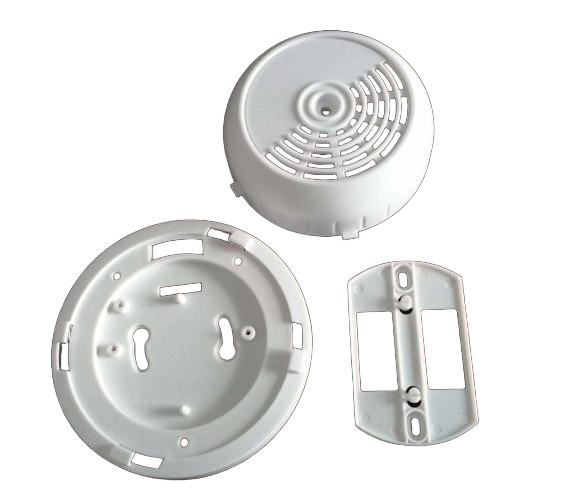
Custom Overmolding Solutions
Inject Fast provides professional overmolding services for companies that need stronger, more comfortable, and more visually appealing plastic products. By combining multiple materials into a single molded component, overmolding enables manufacturers to improve product performance, simplify assembly, and create premium user experiences.
Whether you are developing consumer electronics, medical devices, automotive components, industrial equipment, or smart home products, our engineering team helps transform complex designs into production-ready solutions. From material selection and DFM analysis to mold manufacturing and mass production, we provide complete support throughout the entire product development process.
With more than 20 years of injection molding experience, advanced tooling capabilities, and modern production facilities equipped with 30T to 2500T injection molding machines, Inject Fast delivers scalable overmolding solutions for both low-volume production and high-volume manufacturing.
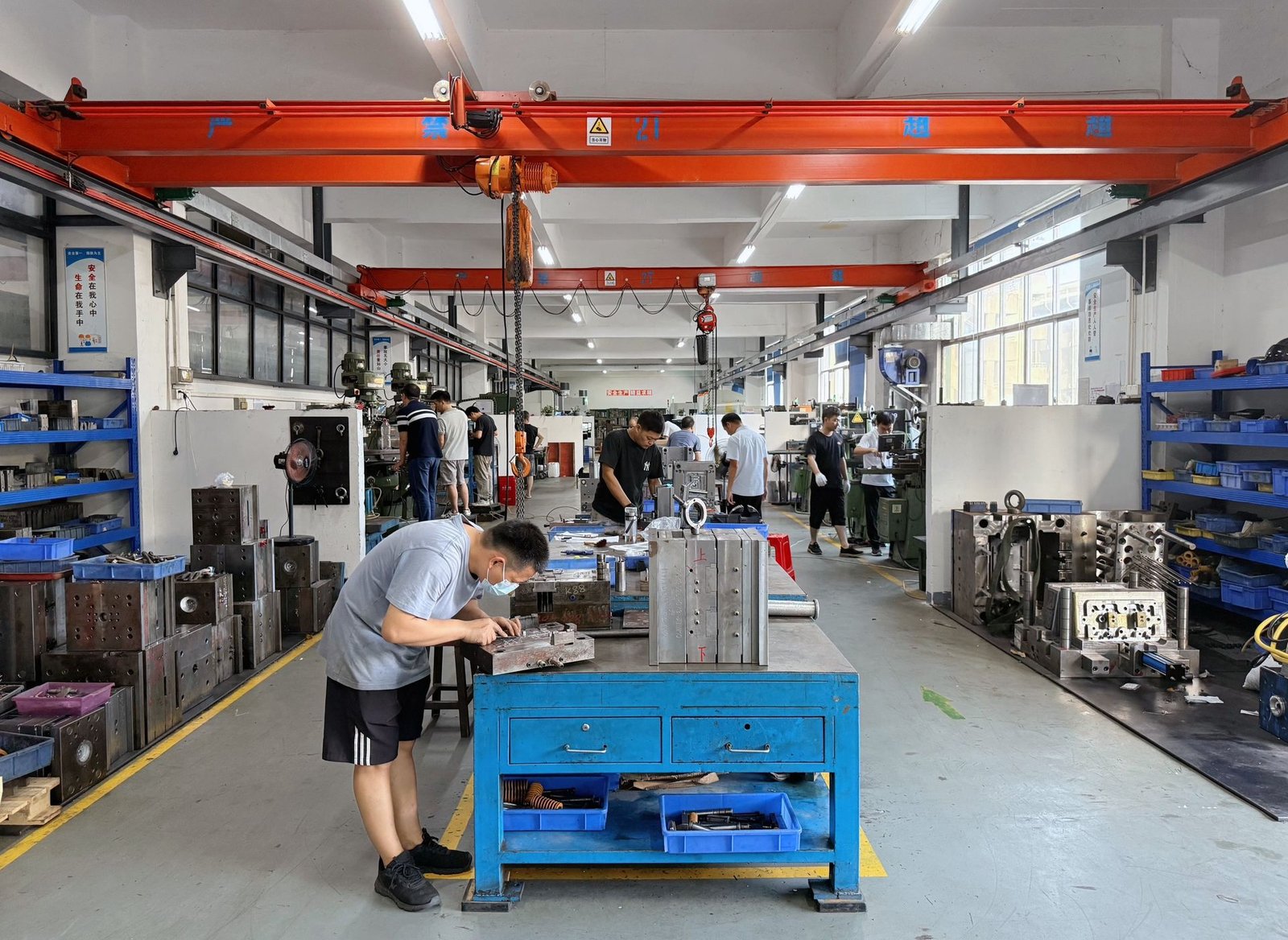





What Is Overmolding?
Overmolding is an advanced injection molding process that combines two or more materials into a single finished component. The process begins by molding a substrate, typically a rigid plastic component, which is then placed into a secondary mold where another material is molded over selected areas.
This technique allows manufacturers to combine the structural strength of rigid plastics with the flexibility, grip, sealing performance, or aesthetic appeal of softer materials. Instead of producing multiple parts and assembling them afterward, overmolding creates a fully integrated component during manufacturing.
Modern product designers increasingly rely on overmolding because it enables improved functionality without increasing assembly complexity. The process can be used to create ergonomic grips, waterproof seals, vibration-dampening surfaces, decorative elements, and multi-material assemblies that would be difficult or expensive to achieve through traditional manufacturing methods.
Overmolding is widely used across industries because it improves product durability, enhances appearance, reduces assembly costs, and expands design possibilities.
Common overmolded products include:
* Power tool handles
* Medical device grips
* Automotive control knobs
* Consumer electronics housings
* Smart wearable devices
* Industrial equipment controls
* Sealed electronic enclosures
* Protective covers and bumpers
Benefits of Overmolding
Improved Product Functionality
One of the primary reasons manufacturers choose overmolding is the ability to combine different material properties within a single component. A rigid substrate provides structural integrity while a softer overmold material improves comfort, grip, flexibility, or sealing performance.
This combination allows engineers to develop products that perform better under real-world conditions while maintaining an efficient manufacturing process.
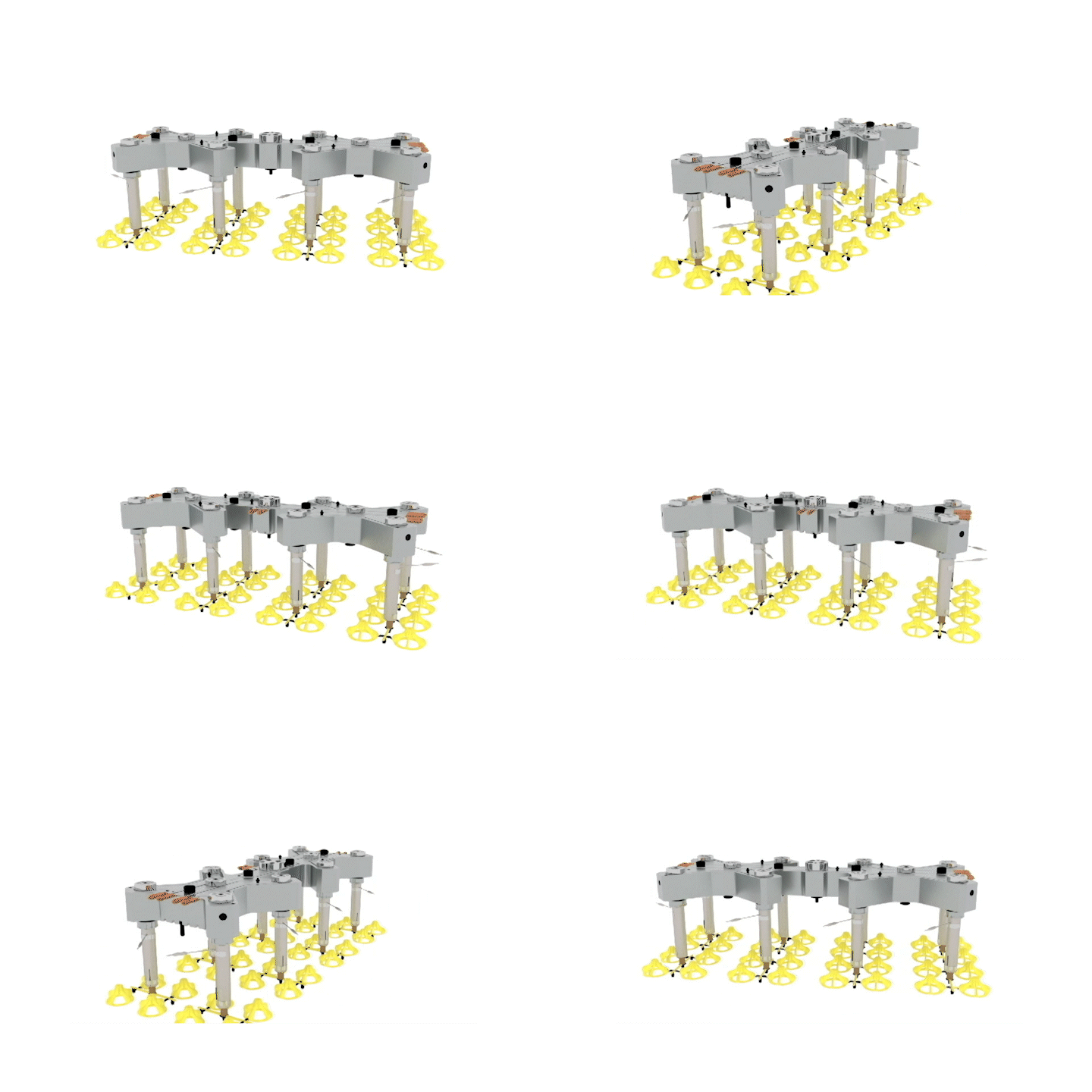
Enhanced User Experience
Products that are handled frequently often benefit from soft-touch surfaces created through overmolding. Elastomer materials provide a comfortable feel and improved grip, making products easier and safer to use.
This is particularly important for medical devices, handheld electronics, power tools, and consumer products where ergonomics directly impact customer satisfaction.
Reduced Assembly Requirements
Traditional manufacturing often requires multiple parts to be molded separately and assembled afterward. Every assembly step introduces labor costs, production delays, and potential quality issues.
Overmolding eliminates many of these secondary operations by combining multiple functions into a single molded component. Fewer parts result in lower production costs, improved consistency, and simplified supply chain management.
Better Product Protection
Overmolding can create integrated seals that help protect sensitive components from dust, moisture, vibration, and impact damage. This makes the process highly valuable for electronic products, automotive systems, industrial controls, and outdoor equipment.
By integrating protective features directly into the design, manufacturers can improve reliability while reducing the need for additional sealing components.
Greater Design Freedom
Designers often face limitations when using only one material. Overmolding allows multiple materials, colors, textures, and hardness levels to work together within a single product.
This flexibility supports innovative product designs while maintaining efficient production methods and attractive aesthetics.
- Get a tailored material assessment!
Upload Your Design
Overmolding Tooling Solutions
Inject Fast provides a full suite of injection mold tooling services

Rapid Tooling
Receive fast design feedback and validation through our superior prototype tooling. Manufacture small batches of plastic parts with high-quality injection molding prototypes. We rapidly produce prototype molds within days to support functional testing and market validation.
- Core molds typically last 1,000 to 5,000 shots
- Be manufactured in two weeks.
Get a Quote
- Learn More
Production Tooling
We build high-quality production molds for high-volume plastic part manufacturing. Made from strong, durable tool steel, our molds are ideal for producing hundreds of thousands of parts. Materials and construction methods are customized to your unique requirements.
- High-performance steel molds can endure up to 10,000 shots
- With production usually completed within 3 weeks.
Get a Quote
- Learn More
Overmolding Applications
This structured flow reduces risk. You catch design or tooling issues early instead of during mass production.
Consumer Electronics
Overmolding is widely used in consumer electronics to improve product durability and user comfort. Applications include smart device housings, wearable technology, charging accessories, gaming peripherals, and handheld electronic products.
Medical Devices
Medical products often require ergonomic grips, enhanced hygiene, and reliable performance. Overmolding helps create comfortable surfaces while improving product functionality and patient safety.
Automotive Components
Automotive manufacturers use overmolding to improve interior controls, switches, handles, seals, and electronic assemblies. The process helps achieve better durability and long-term performance in demanding environments.
Industrial Equipment
Industrial products frequently require shock resistance, vibration damping, and improved operator comfort. Overmolding enables these features without adding assembly complexity.
Smart Home Products
As smart home devices continue to evolve, manufacturers use overmolding to improve aesthetics, durability, and user interaction while maintaining sleek product designs.
6.Production Handover
Deliver production‑ready molds along with technical documentation.
Why Choose Inject Fast for Overmolding?
Engineering-Led Development
Our engineers work closely with customers from the earliest design stages to optimize material selection, manufacturability, and long-term performance.
Precision Mold Manufacturing
We utilize advanced CNC machining centers, EDM systems, and precision inspection equipment to produce tooling that delivers consistent molding results.
Flexible Production Volumes
Flexible Production Volumes Whether you require prototype quantities, bridge production, or full-scale manufacturing, our production systems are designed to scale with your project.
Comprehensive Quality Control
Every project follows strict quality procedures including DFM review, tooling validation, first article inspection, dimensional verification, and production monitoring.
One-Stop Manufacturing Solution
Inject Fast supports every stage of product development: Design → DFM Review → Tooling → Overmolding → Finishing → Assembly → Delivery This integrated approach reduces lead times, simplifies project management, and improves manufacturing consistency.
Overmolding Materials
Selecting compatible materials is one of the most important factors in a successful overmolding project. Different material combinations provide different levels of bonding strength, flexibility, durability, and environmental resistance.
Common Substrate Materials
* ABS
* Polycarbonate (PC)
* PC/ABS
* Polypropylene (PP)
* Nylon (PA)
* Acetal (POM)
* Engineering thermoplastics
Common Overmold Materials
* TPE
* TPU
* TPV
* Soft-touch elastomers
* Medical-grade elastomers
Our engineering team evaluates mechanical requirements, environmental conditions, product appearance, and production goals to recommend the most suitable material combination for every project.
Benefits of Quality Tooling
| Tooling Advantage | What It Means for You |
|---|---|
| Tight tolerances and repeatability | Consistent, dependable parts every cycle |
| Optimized cooling & gating | Reduced cycle time & lower production cost |
| Durable steel construction | Long mold life and fewer repairs |
| DFM validation early on | Fewer design changes and faster time to production |
| Full engineering support | Problem‑free production scale‑up |
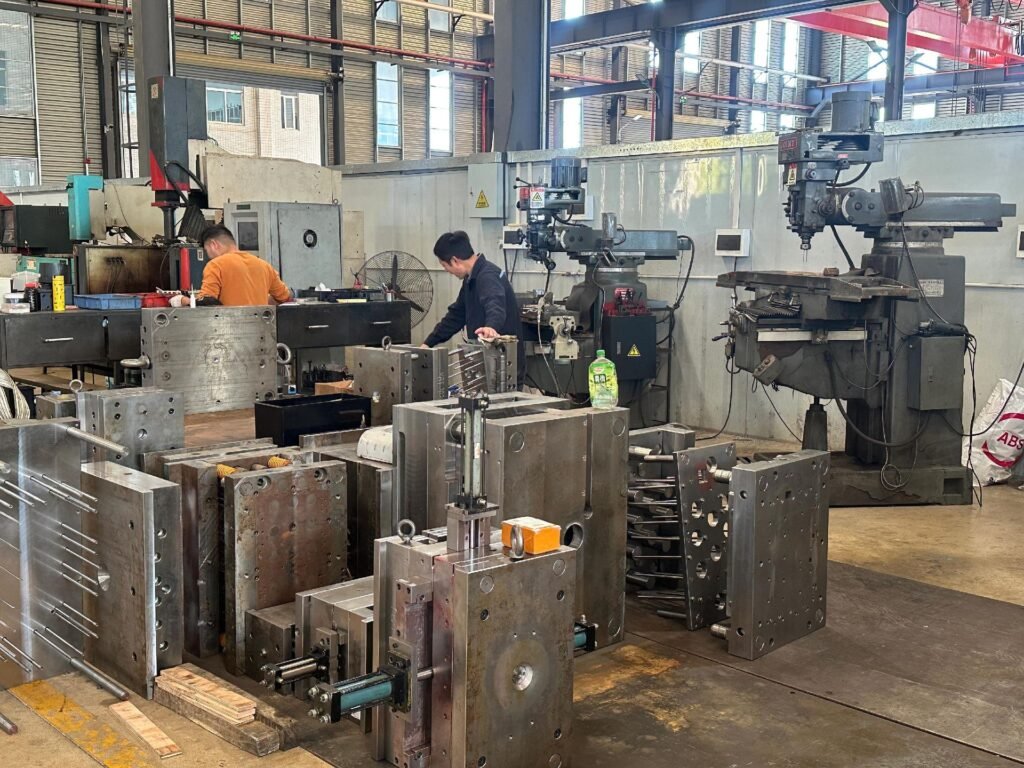
Eligibility for InjectFast
- 20+ years of focused injection molding experience
- 30T–2500T machine range for small to large parts
- In-house engineering team that improves designs before tooling
- No strict minimum order quantities
- Complete quality system with incoming, in-process, and final inspections
- Proven global delivery track record
We focus on predictable results that protect your timelines and budgets. We do not promise unrealistic speeds on every project. Instead, we deliver consistent quality that scales with your needs.
Frequently Asked Questions (FAQ)
Q1: What is custom injection molding and when should I use it?
A: Custom injection molding is a process where molten plastic is injected into a tailored mold to produce precise, repeatable parts. It is ideal for both complex geometries and high-volume production, especially when consistency and part quality are critical.
Q2: What materials can be used for injection molding?
A: We work with a wide range of thermoplastics and engineering plastics, including ABS, PC, PP, PA (Nylon), POM, TPE, and specialty resins. Material selection depends on part function, mechanical strength, and surface requirements.
Q3: What are the typical lead times for injection molded parts?
A: Prototype parts can be ready within 2–4 weeks depending on mold complexity. Mass production lead times depend on order volume and mold size, typically 4–8 weeks after mold approval.